
Mastering Business Casual: What to Wear on Casual Fridays
Casual Fridays can be tricky to navigate if you want to maintain a professional yet relaxed appearance. For busy professionals like C-suite executives, lawyers, and business owners, dressing down without looking sloppy is the goal. Business casual is the perfect balance and understanding it can make all the difference.
Mastering business casual means incorporating key elements that reflect both style and professionalism. Your outfit should be comfortable but still convey that you’re ready for a meeting. Focusing on the fit and quality of your clothes can go a long way in achieving this look.
Choosing the right pieces and knowing how to match them ensures you look well put together. Accessories like belts and shoes can enhance your outfit, making you stand out without excessive effort. Follow this guide to learn how to make casual Fridays an opportunity to showcase a sophisticated, stylish, and professional image.
Understanding Business Casual Basics
Key Elements of Business Casual Attire
Business casual is a balanced style that combines the comfort of casual clothing with the sharpness of business wear. Here are the key elements:
- Tops: Button-down shirts, polo shirts, and well-fitted sweaters are staples. Choose solid colours, subtle patterns, or classic stripes.
- Bottoms: Chinos, dress trousers, and dark-wash jeans (if allowed) are perfect. They should be well-fitted and clean.
- Footwear: Opt for loafers, brogues, or clean, sleek trainers. Avoid overly casual shoes like flip-flops or overly formal shoes like black dress shoes.
- Blazers and Jackets: A smart blazer or a casual jacket can elevate your look and add a layer of sophistication.
- Accessories: Minimalist watches, belts, and simple cufflinks can complete your outfit without overdoing it.
Differences Between Business Casual and Casual
There’s often confusion between business casual and plain casual, but the differences are clear:
- Fit and Structure: Business casual clothing should be well-fitted and tailored, while casual wear may be more relaxed and loose-fitting.
- Fabric Choices: Business casual often uses premium fabrics like cotton, wool, and linen, while casual wear may include denim, t-shirts, and less structured materials.
- Footwear: Business casual favours more refined shoe choices like loafers and brogues. Casual attire might include trainers or sandals.
- Grooming and Presentation: A polished appearance is key in business casual. Make sure your clothes are pressed and your shoes are clean.
By understanding these differences, you can confidently dress for Casual Fridays without compromising your professional image.
Essential Pieces for Casual Fridays
Must-Have Items
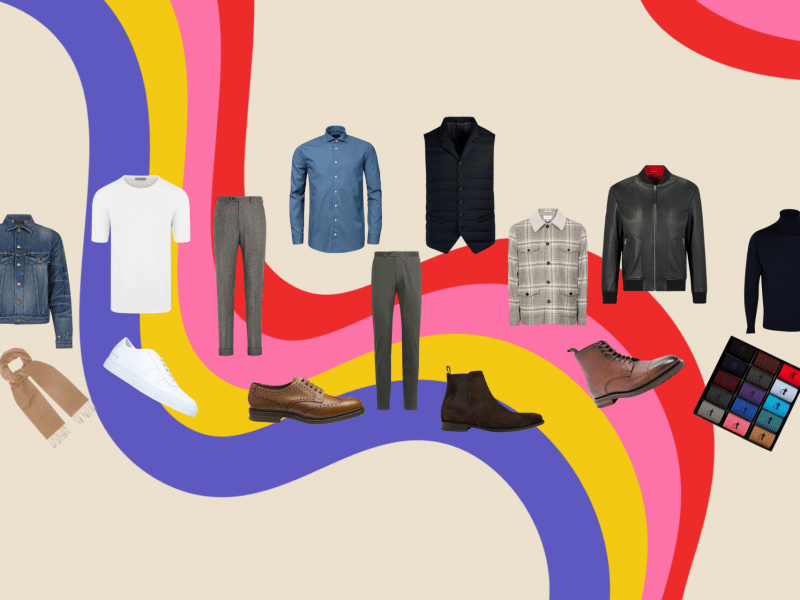
Having a wardrobe filled with essential pieces makes dressing for Casual Fridays easy. Here’s what you need:
- Button-Down Shirts: These are versatile and can be paired with most bottoms. They’re perfect for maintaining a polished look.
- Chinos: A great alternative to dress trousers. They offer comfort and come in various colours to suit your style.
- Blazers: A well-fitted blazer can instantly smarten up any outfit. Opt for neutral colours like navy or grey.
- Smart Casual Shoes: Loafers, brogues, or clean trainers are ideal. They strike a balance between comfort and formality.
- Dark-Wash Jeans: If your workplace allows jeans, go for dark-wash. They look more refined than lighter washes.
How to Mix and Match Efficiently
Learning to mix and match your staple pieces can help you create numerous outfits without much effort. Follow these steps:
- Neutral Colours: Stick to neutral colours for your main pieces. They are easier to mix and match.
- Layering: Use layering to add depth. A button-down shirt under a sweater or a blazer over a polo can change the vibe of your outfit.
- Balance Fit: If you’re wearing slim-fit bottoms, pair them with a slightly relaxed top, and vice versa. This keeps your look balanced.
- Consistency: Keep a consistent style across your outfit. If you’re going for a more formal look, avoid overly casual pieces and accessories.
- Experiment: Don’t be afraid to experiment with different combinations. Mix textures, patterns, and layers to find what suits you best.
By having these essential pieces and learning how to mix and match them, you can easily create outfits that work for Casual Fridays, keeping you stylish and professional.
Common Mistakes to Avoid
Overdressing vs. Underdressing
Mastering business casual involves finding the right balance between overdressing and underdressing. Here’s how to avoid common pitfalls:
- Understand the Environment: Pay attention to your workplace culture. If most colleagues dress casually on Fridays, aim for a relaxed yet professional outfit. Being too formal can make you stand out in a negative way.
- Moderation is Key: You can swap a suit jacket for a smart blazer or a crisp shirt for a polished polo. Aim for pieces that are neat and professional but also comfortable.
- Avoid Extremes: Don’t go too casual, like wearing t-shirts with logos or distressed jeans. Maintain a level of sophistication that reflects your professional role.
By staying tuned into your workplace norms and finding that middle ground, you’ll hit the right note with business casual.
Misjudging Fit and Comfort
Getting the fit and comfort right is crucial for looking good in business casual attire:
- Tailoring: Ensure your clothes fit well. Ill-fitting clothes can make you look sloppy or uncomfortable. Invest in tailoring for a polished look.
- Comfort is Key: While fit is important, comfort shouldn’t be sacrificed. Choose fabrics that breathe and allow for movement.
- Size and Proportions: Pay attention to the proportions of your outfit. Combine slim-fit trousers with a relaxed shirt, or vice versa, for balance.
Getting a proper fit and ensuring comfort will make you look and feel better, leading to greater confidence.
Accessories to Enhance Your Look
Choosing the Right Shoes and Belts
Accessories play a big role in perfecting your business casual outfit. Shoes and belts are essential components:
Shoes:
– Loafers: Versatile and stylish, loafers work well with both chinos and dress trousers.
– Brogues: These add a touch of sophistication and are suitable for more formal business casual settings.
– Clean Trainers: If allowed, sleek trainers offer comfort and a modern look.
Belts:
– Match with Shoes: Your belt should complement your shoes. For example, pair brown loafers with a brown belt.
– Simple Design: Opt for classic and simple belt designs. Avoid overly large buckles or flashy details.
Wearing the right shoes and belts can elevate your overall look, making you appear more put-together.
Subtle Yet Stylish Add-Ons
Adding small, stylish details can make a big impact on your business casual look:
- Watches: A minimalist watch can serve as both a functional and stylish accessory. Choose a design that complements your overall style.
- Pocket Squares: If you’re wearing a blazer, a pocket square adds a touch of personality and sophistication.
- Ties and Tie Clips: A slim tie paired with a simple tie clip pairs well with a smart casual look, adding a sophisticated touch.
- Cufflinks: For shirts that allow for cufflinks, choose a minimalist design that adds subtle elegance.
By incorporating these subtle accessories, you can enhance your appearance without going overboard.
Conclusion
Mastering business casual for Casual Fridays involves choosing the right pieces, understanding the basics, and knowing how to avoid common mistakes. By selecting versatile items and learning to mix and match efficiently, you can create stylish and professional outfits. Focus on getting the fit right and adding the right accessories to complete your look. These simple steps will help you balance comfort and sophistication, ensuring you project confidence and authority.
Ready to elevate your business casual wardrobe? Contact Nick Hems Style for expert personal styling in London tailored to busy professionals. Let us help you look your best every day.
Ready to stop guessing what works?
Not sure what suits you, what to keep, or what to buy next? That’s exactly where working with a personal stylist can help.