Efficient Wardrobe Management for Stress-Free Mornings
Efficient wardrobe management is key for busy professionals who value their time and appearance. Waking up to a well-organised closet filled with versatile pieces can make getting dressed in the morning a breeze. A meticulously curated wardrobe ensures you always have the right outfit ready, eliminating stressful decisions about what to wear each day.
Streamlining your wardrobe involves keeping only the essentials and getting rid of items you no longer need. This not only saves space but also simplifies your choices, making your mornings more efficient. Knowing you have a selection of well-fitting, stylish pieces at your disposal can boost your confidence and help you start your day on the right foot.
Having a system in place for organising your clothes, pre-planning outfits, and investing in versatile pieces can transform your daily routine. By following practical steps and tips, you can create a seamless process that ensures you always look polished and professional without the stress. Let’s explore how you can achieve hassle-free mornings through efficient wardrobe management.
Streamlining Your Wardrobe: Essentials Only
Why a Streamlined Wardrobe Saves Time
A streamlined wardrobe can drastically cut down the time you spend choosing an outfit each morning. With fewer pieces to sift through, the decision-making process becomes quicker and less stressful. By keeping only the essentials, you minimise clutter and make it easier to see all your options at a glance. This arrangement ensures that every item you own is something you love and wear regularly, contributing to a more efficient morning routine.
Reducing your wardrobe to the basics also simplifies laundry and maintenance, freeing you up to focus on other important tasks. When each piece serves a purpose, you are less likely to waste time rummaging through items that don’t fit or no longer match your style. Ultimately, a well-curated wardrobe saves both time and mental energy, allowing you to start your day smoothly.
How to Identify and Keep Essential Pieces
To streamline your wardrobe, start by identifying and keeping only the essential pieces. Begin with a complete audit of your current clothes. Remove items that no longer fit, are out of style, or haven’t been worn in the past year. These items can be donated or disposed of, depending on their condition.
Focus on quality over quantity. Essential pieces should include versatile items that can be mixed and matched to create multiple outfits. Prioritise classic, timeless pieces that never go out of style. For instance, a well-fitted navy blazer, crisp white shirts, and quality dress trousers are staples for any professional wardrobe.
Keep clothes that align with your lifestyle and work environment. If you often attend formal meetings, ensure you have enough suits and dress shoes. For more casual settings, maintain a selection of smart-casual attire. By honing in on pieces that serve your daily needs, you’ll create a wardrobe that is both functional and stylish.
Organising Your Closet for Maximum Efficiency
Steps to Efficiently Organise Your Wardrobe
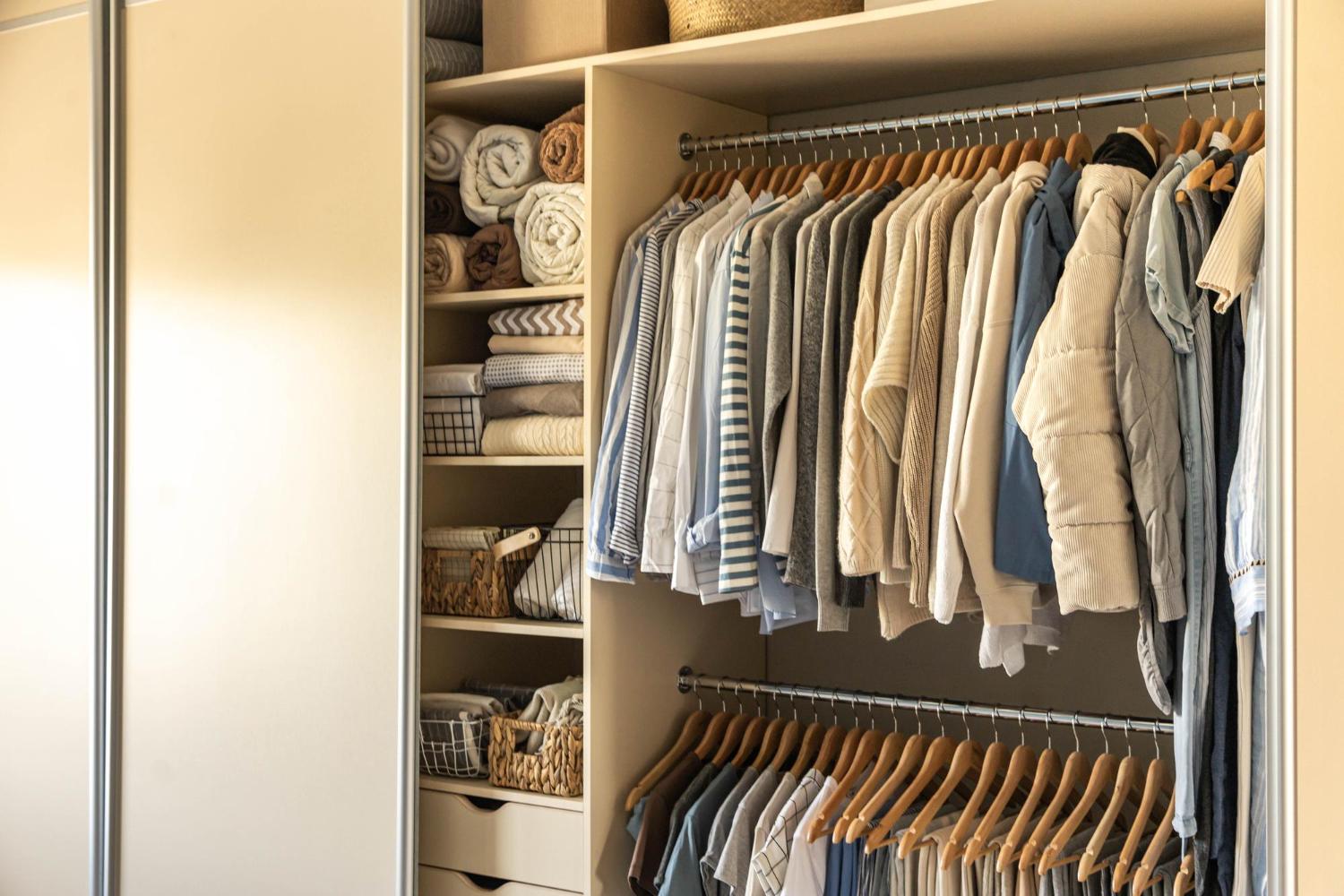
Organising your closet efficiently involves a systematic approach. Begin by completely emptying your wardrobe to assess the available space. Group similar items together—shirts with shirts, trousers with trousers, and so forth. This helps you see exactly what you have and makes it easier to find items when you need them.
Once you’ve categorised your clothes, decide on the best storage solutions for each type. Use hangers for suits, dress shirts, and jackets to keep them wrinkle-free. Fold and stack jumpers, t-shirts, and jeans. Drawer organisers can help manage smaller items like socks, ties, and accessories to keep them tidy and easily accessible.
Label sections or drawers if necessary to ensure everything has its place. This helps maintain order and makes restocking after laundry a breeze. Efficient organisation transforms your closet into a tool that supports a smooth morning routine rather than a chaotic stumbling block.
Best Practices for Arranging Clothes and Accessories
Arranging your clothes and accessories thoughtfully can make a world of difference. Start by placing the most frequently worn items at eye level for easy access. Less frequently used pieces can be stored on higher or lower shelves. Arrange clothes by type and then by colour within each category. This not only looks pleasing but makes finding specific items quicker.
Invest in matching hangers for a uniform look and to save space—thin, non-slip hangers work wonders for this. Use hooks or a dedicated rack for accessories like belts and ties to keep them visible and organised. Store shoes at the bottom of the closet in a shoe rack or cubby to free up floor space and keep pairs together.
For seasonal items, consider using vacuum-sealed bags or storage boxes that can be kept under the bed or on high shelves. Rotating these items in and out as needed will keep your main wardrobe clutter-free and ready for daily use. By implementing these best practices, your wardrobe becomes a well-ordered space that supports a stress-free start to your day.
Creating Outfits Ahead of Time
Benefits of Pre-Planning Your Outfits
Pre-planning your outfits can significantly reduce stress and save valuable time each morning. When you know exactly what you’re going to wear, you eliminate last-minute decisions and can start your day on a positive note. Having outfits ready also ensures you look polished and coordinated, boosting your confidence.
Planning ahead allows you to account for different events or meetings you may have scheduled throughout the week. By selecting your attire in advance, you can make sure you are suitably dressed for every occasion, whether it’s a formal meeting or a casual office day. Additionally, pre-planned outfits can help you identify any missing wardrobe pieces in advance, so you can shop for what you need without the pressure of an urgent deadline.
Tips on How to Coordinate and Plan Outfits for the Week
Creating a weekly outfit plan doesn’t have to be complicated. Start by checking your calendar to determine your schedule and identify any specific wardrobe requirements. Lay out potential outfits for each day, ensuring they align with your planned activities.
Stick to a colour scheme to make mixing and matching easier. Neutral colours such as black, grey, navy, and white are versatile foundations that can be paired with bolder colours or patterns. Rotate your key pieces, like suits and shirts, to keep your wardrobe fresh and avoid repetition.
Use accessories to bring variety to your outfits. A different tie, watch, or pair of cufflinks can transform a standard suit into several distinct looks. Setting aside some time on Sunday evening to plan your week’s outfits can make your mornings far less hectic and ensure you’re well-prepared for whatever comes your way.
Investing in Versatile Pieces
List of Versatile Wardrobe Staples Every Man Should Own
To make your wardrobe efficient and stylish, invest in versatile pieces that can be worn in multiple settings. Here are some staples every man should have:
1. Navy Suit: Suitable for both business meetings and formal events.
2. White Dress Shirts: Pairs well with any suit and can be dressed up or down.
3. Chinos: Comfortable and can transition from office wear to casual outings.
4. Blazers: Ideal for layering and adding structure to your look.
5. Loafers: Fashionable footwear that is appropriate for both casual and formal occasions.
6. Dark Denim Jeans: Versatile and can be dressed up with a blazer or down with a t-shirt.
How to Mix and Match Versatile Items for Different Looks
Mixing and matching versatile items allows you to create numerous looks without needing an extensive wardrobe. For example, pair your navy suit jacket with chinos for a smart-casual outfit, or wear the suit trousers with a sweater for a business-casual look. A white dress shirt can be worn under a blazer for a formal meeting or paired with jeans for a dinner out.
Switch up your shoes to further change your appearance. Loafers, dress shoes, and trainers can each give the same outfit a completely different vibe. Accessories like ties, pocket squares, and watches add personal touches and adapt your look to various occasions.
Creating a versatile wardrobe means you’re always prepared, regardless of the situation. Investing in key pieces that can be interchanged easily helps you maximise your outfits and ensures you always present a polished, professional image.
Final Thoughts
Efficient wardrobe management is essential for busy professionals who want to start their days smoothly and look impeccable without investing too much time. By streamlining your wardrobe to include only essential pieces, organising your closet for maximum efficiency, planning your outfits ahead of time, and investing in versatile staples, you can significantly reduce stress and save time each morning.
This systematic approach not only simplifies your daily routine but also ensures you consistently project a confident and sophisticated image. Your wardrobe becomes a powerful tool that enhances your efficiency and effectiveness, allowing you to focus on what truly matters.
Ready to transform your wardrobe for stress-free mornings? Contact Nick Hems Style today for expert personal styling services tailored to your needs. Let us help you build a versatile, stylish wardrobe that works as hard as you do.
Ready to stop guessing what works?
Not sure what suits you, what to keep, or what to buy next? That’s exactly where working with a personal stylist can help.