Reflecting on Your Wardrobe: What Worked and What Didn’t
Evaluating your wardrobe can feel like an overwhelming task, but it’s essential for refining your personal style. By reflecting on what worked and what didn’t, you can make better decisions in the future and ensure your clothing choices project the sophisticated, professional image you desire. This process isn’t just about getting rid of items; it’s about understanding your style preferences and needs.
Start by considering the outfits you felt most confident in over the past year. Did certain suits or casual wear make you feel more polished? Think about the occasions when you received compliments or felt particularly comfortable in your clothing. These moments are valuable clues to your personal style preferences.
Conversely, it’s equally important to identify pieces that didn’t serve you well. Perhaps certain items didn’t fit correctly or just didn’t match your lifestyle. By acknowledging these missteps, you can avoid similar mistakes in the future. This reflection helps ensure that your wardrobe evolves with your style, making every future purchase more intentional and beneficial.
Reflecting on your wardrobe is a practical exercise that pays off in the long run. You will not only save time but also make more informed choices that enhance your overall appearance. In the end, this process sets the stage for a wardrobe that truly works for you, allowing you to project the confidence and authority essential for your busy professional life.
Evaluating Your Wardrobe’s Hits and Misses
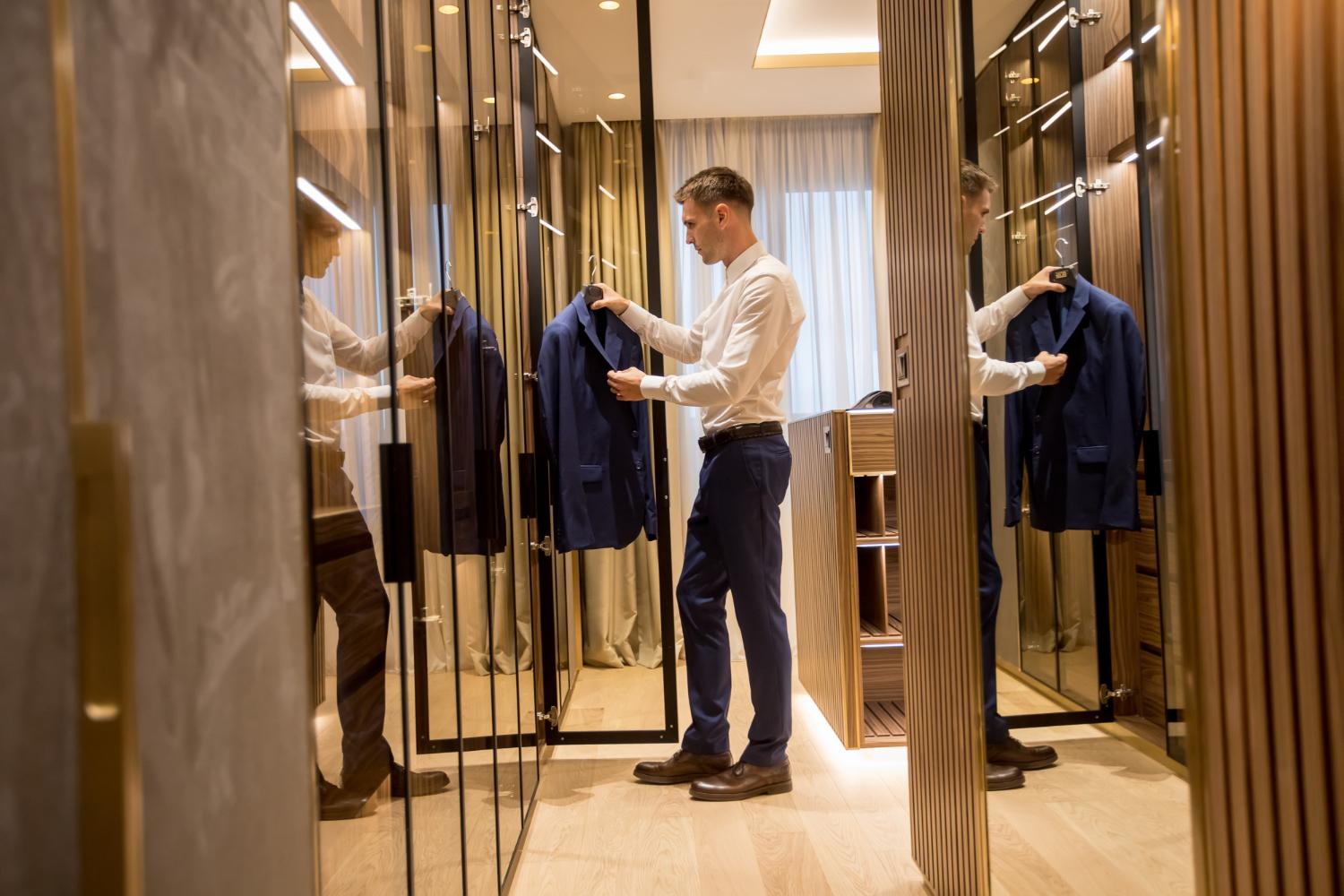
Start by emptying your wardrobe and sorting your clothes into three distinct piles: hits, misses, and maybes. This visual sorting will help you easily identify which items you love, which ones you regret buying, and which you’re undecided about. Reflecting on these categories allows you to make informed decisions.
The “hits” pile should include items you frequently wear and feel great in. These are the pieces that make you confident and reflect your personal style. Note what these items have in common. Is it the fabric, fit, or colour? Identifying these factors helps you understand your preferences.
Conversely, the “misses” are the clothes you avoid wearing. Think about why these items didn’t work. Maybe the fit is off, the style feels outdated, or the fabric is uncomfortable. Understanding these reasons helps you avoid similar mistakes when shopping in the future. The “maybe” pile consists of items you’re unsure about. Try these pieces on again and decide if they deserve a place in your wardrobe or if it’s time for them to go.
Identifying Key Pieces that Worked
After sorting, focus on the key pieces that worked well for you. These items not only fit perfectly but also align with your lifestyle and daily needs. They are the backbone of your wardrobe, making you look and feel your best.
List these key pieces. You might find several well-tailored suits, versatile trousers, and comfortable yet stylish shirts. Consider why these pieces were successful. Did they complement multiple outfits? Were they practical yet fashionable? Understanding the reasons behind your successful wardrobe choices provides valuable insights for future purchases.
Next, evaluate how these key pieces can serve as a benchmark for updating your wardrobe. These items embody your style goals and should guide your future selections. Prioritise investing in similar high-quality pieces that mirror the attributes of your hits. This will ensure that your wardrobe continues to evolve in a way that suits your style and needs, helping you maintain a polished, confident appearance.
Understanding Why Certain Items Didn’t Work
Evaluating why certain pieces in your wardrobe didn’t work is crucial for future success. Start by identifying common issues among the items that you’ve categorised as misses. These could range from poor fit and uncomfortable materials to out-of-date styles. Understanding these factors helps you avoid similar pitfalls going forward.
Consider the fit of each item. Did some clothes feel too tight or too loose? Proper fit is paramount in achieving a polished look. Ill-fitting clothes can detract from your professional image, no matter how stylish or expensive they are. Ensure future purchases prioritise perfect fit, even if it means additional tailoring.
Evaluate material and fabric choices. Uncomfortable or low-quality materials can make you avoid wearing certain pieces altogether. Fabrics should match your lifestyle and season. Lightweight, breathable fabrics work well for summer, while wool and other heavy materials are better for winter.
Analyse the style and versatility of these items. Did they fail to match most of your other clothes? If so, you need to choose pieces that can easily blend with your existing wardrobe. By recognising why certain items didn’t work, you refine your shopping habits and build a more cohesive and satisfying wardrobe.
Making Informed Decisions for Future Purchases
After identifying what worked and what didn’t, use these insights to make informed future purchases. Prioritising quality over quantity ensures your wardrobe is filled with items that enhance your style and provide long-term value. Make a list of key pieces you need to add or replace. Focus on versatile items that can be mixed and matched with your existing wardrobe.
Invest in high-quality basics first. Durable, well-made items like tailored suits, premium shirts, and classic shoes are essential. These pieces form the backbone of a versatile wardrobe and can be dressed up or down for various occasions. When shopping, prioritise fit, comfort, and fabric quality. Well-fitting garments make you appear more polished and professional, boosting your overall confidence. Don’t be afraid to spend a little more on items you’ll wear frequently.
Consider your lifestyle and main activities. Choose clothes that are practical and stylish for your day-to-day routine. If you travel often, look for wrinkle-resistant fabrics and versatile pieces that work for both formal meetings and casual settings.
By making thoughtful, informed decisions, you build a wardrobe that not only reflects your personal style but also serves your needs. This strategic approach saves time and enhances your ease of dressing, allowing you to focus on your busy professional life.
Conclusion
Reflecting on your wardrobe helps you understand your style preferences and make better choices. By evaluating what worked and what didn’t, you identify the key pieces that enhance your look and the ones that fall short. Understanding these nuances guides you in making informed decisions when shopping for new clothes.
Assess why certain items failed to meet your expectations. Poor fit, uncomfortable fabrics, and lack of versatility are common reasons. Recognising these issues ensures you avoid them in the future. Focus on quality, fit, and practicality to build a wardrobe that suits your lifestyle.
Invest in essential, high-quality basics first. Durability and versatility should be your primary concerns. Consider your daily routine and choose pieces that offer both comfort and style. This organised approach streamlines your dressing process, saving time and creating a polished, professional appearance.
Ready to refine your wardrobe even further? Contact Nick Hems Style today to learn more about how a personal stylist in London can help you transform your wardrobe and confidently project the image you desire.
Ready to stop guessing what works?
Not sure what suits you, what to keep, or what to buy next? That’s exactly where working with a personal stylist can help.