Layering Techniques for Cooler Months
As temperatures drop, layering becomes an essential technique to stay warm without sacrificing style. For busy professionals, mastering the art of layering can help maintain a polished look while ensuring comfort. A well-thought-out layered outfit not only boosts your confidence but also demonstrates your keen eye for detail.
Layering is far more than simply throwing on multiple pieces of clothing. It’s about choosing the right fabrics and combining them in ways that are both functional and appealing. Whether you are heading to the office or enjoying a casual weekend, knowing how to layer effectively can make all the difference.
In cooler months, your wardrobe should include versatile pieces that can be easily mixed and matched. Understanding the essentials of layering, selecting the appropriate fabrics, and creating balanced looks will ensure you are prepared for any occasion. This guide aims to provide practical advice and techniques to help you layer like a pro, keeping you warm and stylish throughout the season.
I. Essentials of Layering
Importance of Layering in Cooler Months
Layering is crucial during cooler months as it provides insulation and flexibility. It allows you to adjust your clothing throughout the day as temperatures fluctuate. By combining multiple lightweight layers, you can stay warm without resorting to bulky and uncomfortable attire. Proper layering helps maintain a sophisticated look while ensuring you stay cosy. This technique is especially beneficial for busy professionals who need to transition seamlessly from a cold commute to a heated office.
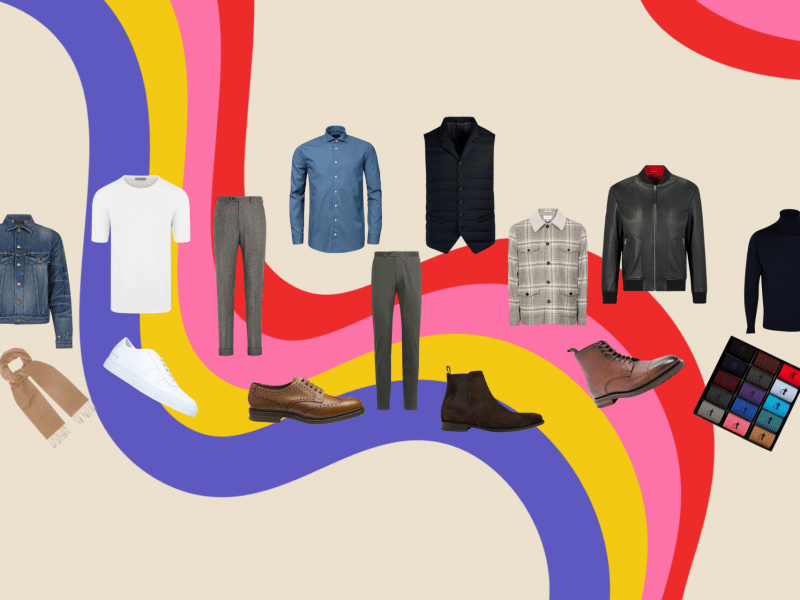
Core Pieces Every Man Should Own
To master layering, you need a few essential pieces:
1. Base Layers: Start with high-quality thermal tops and long-sleeve t-shirts. These provide the first line of insulation.
2. Shirts: Crisp shirts in various fabrics, such as cotton or flannel, are versatile and add a smart touch.
3. Sweaters: Lightweight knit sweaters, cashmere, and woollen pullovers are perfect mid-layers.
4. Blazers and Jackets: A tailored blazer or a well-fitted jacket adds structure and warmth.
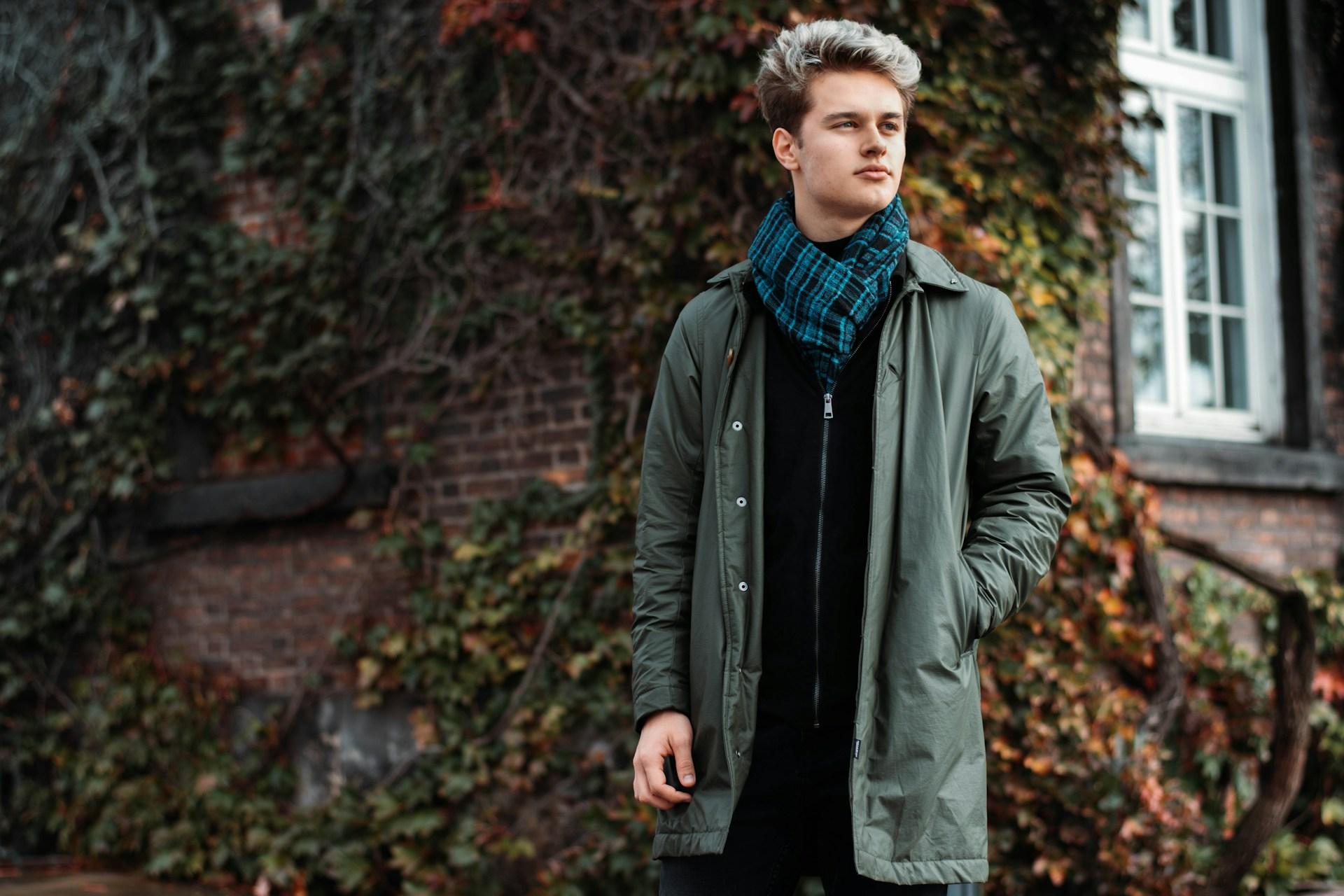
5. Outerwear: A stylish coat or trench provides the final layer of protection against the cold.
These items form the backbone of a functional and stylish wardrobe, making it easy to put together layered outfits quickly.
II. Choosing the Right Fabrics for Layers
Best Materials for Insulation and Comfort
The fabric you choose is vital for effective layering. Here are some of the best materials to consider:
- – Wool: Offers excellent insulation and breathability. Perfect for sweaters and coats.
- – Cashmere: Lightweight yet warm, cashmere is a luxurious option for mid-layers.
- – Cotton: Comfortable and breathable. Ideal for shirts and base layers.
- – Silk: Adds a touch of luxury and provides good insulation when used as a base layer or scarf.
- – Thermals: Modern thermal fabrics are lightweight and offer superb warmth. Look for materials with moisture-wicking properties to keep dry and comfortable.
Choosing the right fabrics ensures you stay warm without sacrificing comfort or style.
Combining Different Fabric Types for Optimal Warmth
Combining different fabrics enhances the layering effect:
- – Start with a thermal base layer: This traps heat close to your body.
- – Add a cotton or flannel shirt: These materials are breathable and comfortable, adding a stylish touch.
- – Include a wool or cashmere sweater: These materials add insulation without bulk.
- – Finish with a tailored blazer or jacket: Provides warmth and structure.
- – Top it off with a quality coat: Choose a coat made of wool or a weather-resistant material to protect against the elements.
By mixing materials, you can create a balanced outfit that provides optimal insulation and a refined appearance. This approach allows you to transition smoothly between different environments and temperatures.
III. Creating a Balanced Layered Look
Tips for Mixing Colours and Patterns
Mastering the art of mixing colours and patterns can elevate your layered look:
- – Stick to a Colour Palette: Choose a colour scheme and stick to it. This creates a cohesive look. Neutral tones like black, grey, navy, and beige are versatile.
- – Pattern Balance: Use one main pattern and keep the rest of the pieces solid. For example, a patterned shirt under a solid sweater adds interest without overwhelming.
- – Contrast and Complement: Use contrasting colours to make your layers pop. Ensure that the colours complement each other to maintain a stylish appearance.
Following these tips allows you to create a visually appealing outfit that is both stylish and professional.
Balancing Bulkiness and Fit for a Sleek Appearance
Balancing bulkiness and fit is key to looking sharp:
- – Layer by Layer: Start with thin, fitted garments and gradually add thicker, looser pieces. This keeps the bulk distributed evenly.
- – Tailored Outerwear: Blazers and coats should fit well over multiple layers. Opt for slightly larger sizes if necessary but ensure they still provide structure.
- – Avoid Overstuffing: Wear clothes that fit well and avoid excessive layering. Too many layers can make you appear bulky and unpolished.
Achieving the right balance ensures your layered look is sleek and professional, without sacrificing warmth.
IV. Practical Layering Combinations for Different Settings
Office-Ready Layering Techniques
For a polished office look, consider these layering techniques:
1. Base Layer: Start with a crisp, tailored shirt. Opt for a slim-cut thermal shirt underneath for added warmth.
2. Mid Layer: Add a lightweight cashmere or wool sweater. V-neck styles work well with ties, while crew necks offer a more casual look.
3. Top Layer: Finish with a tailored blazer. Ensure it fits comfortably over your layers to maintain a streamlined appearance.
4. Outer Layer: A classic wool overcoat or trench coat works perfectly. Choose a style that complements your office attire.
This combination will keep you warm while looking sharp and professional.
Casual and Weekend Layering Ideas for Men
For a relaxed yet stylish weekend look, try these layering ideas:
1. Base Layer: Start with a comfortable cotton or thermal t-shirt. Long-sleeve options are great for added warmth.
2. Mid Layer: Add a casual flannel shirt or a lightweight hoodie. These pieces add warmth without compromising comfort.
3. Top Layer: A denim jacket or a quilted vest adds a trendy touch. These options are less formal but still stylish.
4. Outer Layer: Finish with a versatile parka or puffer jacket. These provide excellent insulation and are great for outdoor activities.
This blend of layers ensures you are comfortable and stylish, whether you’re running errands or enjoying a day out.
Conclusion
Layering is an essential skill for navigating the cooler months with style and confidence. By understanding the importance of layering, choosing the right fabrics, and learning how to balance colours, patterns, and bulk, you create a wardrobe that is both functional and fashionable. Office-ready outfits can be achieved with sleek, professional layers, while casual weekend styles allow for comfort without sacrificing appearance.
Investing time in mastering these techniques ensures you are always prepared for varying temperatures and settings. Elevate your layering game and embrace the colder months with a refined sense of style. If you’re looking for a personal stylist in the UK to take your wardrobe to the next level, contact Nick Hems Style today. Let me help you create the perfect layered looks tailored to your needs and lifestyle.
Ready to stop guessing what works?
Not sure what suits you, what to keep, or what to buy next? That’s exactly where working with a personal stylist can help.