How to Dress Proportionately: Tips for Every Body Type
Finding the right clothes that flatter your body can be a challenge for many men. Not all off-the-rack outfits suit every shape, and understanding how to dress proportionately is the key to enhancing your appearance. Whether you’re attending a business meeting, a social event, or just going about your daily routine, wearing clothes tailored to your body type helps you project confidence and sophistication.
Men come in all shapes and sizes, and finding clothes that fit well is about knowing your body and dressing accordingly. Different body types have unique needs when it comes to fashion choices. From balancing broad shoulders to adding definition to a lean frame, dressing proportionately can feel like solving a puzzle. Once you know what works, though, you’ll find dressing up becomes a lot easier and more satisfying.
Understanding Your Body Type
Identifying your body type is the first step in dressing for success. Knowing whether you’re an Inverted Triangle, Rectangle, Triangle, Oval, or Trapezoid can make a real difference in choosing the best outfits. Below is a quick guide to help you find out where you fit:
1. Inverted Triangle: Broad shoulders and a narrow waist and hips define this shape. It’s classic for athletes.
2. Rectangle: If your shoulders, waist, and hip measurements are similar, you’re likely here.
3. Triangle: Wider hips than shoulders fit this type. Many men with this shape look for balance.
4. Oval: A fuller waistline characterises this group, often needing techniques to create structure.
5. Trapezoid: Shoulders that are slightly wider than hips form this balanced silhouette.
Recognising your body type allows you to select clothes that not only complement your figure but also enhance your presence. This knowledge empowers you to highlight strengths and minimises areas you might feel less confident about. You’ll learn how simple style tweaks can make a significant impact.
Proportionate Dressing Tips for Each Body Type
Dressing for your body type involves balancing elements to create a harmonious look. Here’s how to do it for each type:
– Inverted Triangle: Avoid drawing attention to the upper body. Opt for jackets with narrow lapels and avoid padding. Choose trousers and chinos that have a pop of colour to balance out the top.
– Rectangle: Create the illusion of a waist with structured blazers and fitted shirts. Layering with vests or fitted jumpers can add dimension to your frame.
– Triangle: Focus on broadening your shoulders by using structured blazers and horizontal stripes. Avoid tight shirts that highlight the lower body.
– Oval: Use vertical stripes and darker colours to elongate the appearance. Choose shirts with a looser fit and trousers with more room in the waist for comfort.
– Trapezoid: This shape is well-balanced, so follow general fashion guidelines and add a personal style twist. Try single-breasted blazers and trousers that sit well on the hips.
Understanding these tips allows you to confidently select wardrobe items that flatter your body shape. It’s all about creating visual balance, highlighting what you like, and feeling great in what you wear. With these pointers, you’ll be able to put together outfits that enhance your look, no matter the occasion.
Key Wardrobe Pieces for Proportionate Dressing
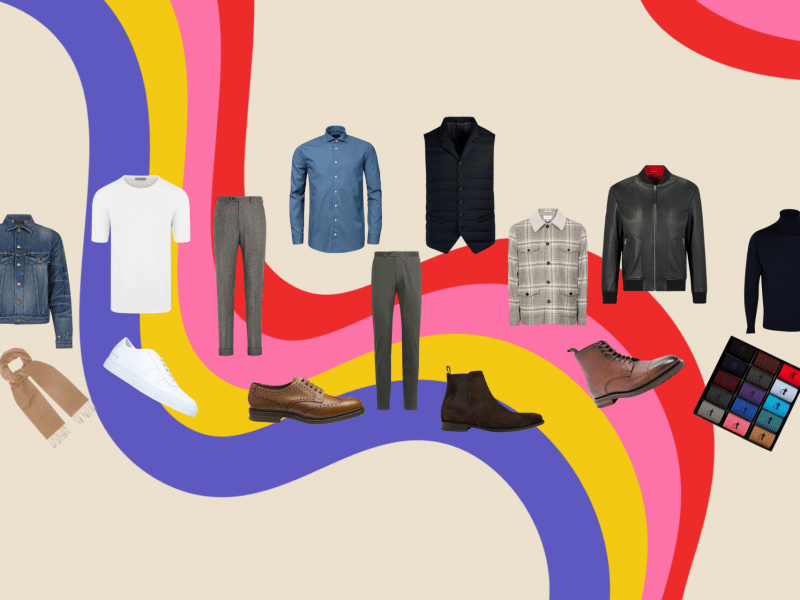
Choosing the right clothing items can make all the difference when aiming for a proportionate look. Here’s a handy list of key pieces that work wonders for different body types:
– Jackets: Look for single- or double-breasted blazers that complement your body shape. Inverted triangles should avoid overly structured shoulders, while rectangles might benefit from tailored cuts to add shape.
– Trousers and Jeans: These should balance your silhouette. For those with a triangular shape, straight-leg trousers can help even out proportions. Those with an oval shape might prefer trousers with a slightly higher rise.
– Shirts: Focus on the fit around the shoulders and waist. Slim-fit shirts work well for trapezoid shapes, while relaxed fits suit oval figures better. Patterns like checks can create the illusion of width for rectangles.
– Sweaters and Jumpers: Opt for V-necks or crew necks that work with your body type. For instance, V-necks help create a leaner look, ideal for oval body types. Layering with cardigans or vests can add dimension.
– Footwear: Shoes play a subtle yet key role. Slimmer shoes can elongate your form, which is helpful for oval body types, whereas chunkier styles can add balance for inverted triangles.
Selecting these pieces with your body type in mind preempts styling challenges and sets the stage for a wardrobe that acts as your ally, allowing you to sidestep common style pitfalls easily.
How to Use Colours and Patterns to Your Advantage
Colours and patterns are powerful tools for creating balanced looks. They can manipulate perception and spotlight areas you love while diverting from those you don’t. Here’s how:
– Vertical Stripes: Excellent for those aiming to elongate their shape, particularly useful for oval or triangle types.
– Darker Shades: Perfect for slimming effect, they help areas appear smaller. You might wear dark trousers with a lighter top to draw attention upwards.
– Colour-blocking: This technique divides the body using colour, which can redefine proportions pleasingly. Trapezoid shapes benefit from bold colours to accentuate their natural balance.
– Contrasting Visuals: Add interest and depth to outfits with contrasting patterns or textures. This approach works well across most body shapes, lending personality without throwing proportions off.
– Monochromatic Outfits: Wearing a single colour can create an unbroken line. It’s a tactic to try for those with an oval shape aiming for a streamlined appearance.
Playing around with these elements can refresh your approach to fashion, uncovering a vibrant way to enhance how your clothes work for you.
Finishing Touches: Accessories and Footwear
Accessories are the finishing touch that brings your outfit together. They add flair and can subtly tweak the balance of your ensemble.
– Belts: Use them not just to hold trousers, but to define the waistline, especially helpful for rectangle shapes. Choose belts that contrast with your trousers if your goal is to break up different parts of your outfit visually.
– Hats: These can be both practical and stylish. For oval shapes, hats with a bit of height can add structure.
– Shoes: Appropriate footwear can radically affect proportions. An elongated or pointed shoe can extend the leg line, particularly beneficial when matched with trousers for a cohesive look.
– Watches and Jewellery: Choose these based on personal style and comfort. A timepiece with a larger face can add to the perception of size and authority, ideal for those looking to add weight to their look.
These fine details not only enhance your ensemble but also allow you to inject personal style into your appearance.
Why Personal Styling Services Make a Difference
Working with a personal stylist can be a game-changer. Stylists bring expertise, saving you time and honing your style based on your unique body traits. They help bypass trial and error, directly providing insights and guidance tailored for you. Whether it’s curating your wardrobe or assisting with selections, a personal styling service offers convenience and results that speak volumes. As a busy professional, this investment becomes about more than just clothes—it’s about effortless style that whispers confidence and poise, every day.
Feeling overwhelmed with choices and unsure of where to begin? Discover the convenience and expertise that come with a tailored approach to your wardrobe. At Nick Hems Style, we offer solutions to transform your wardrobe and enhance your personal image. Start your journey to a more confident and sophisticated look by exploring our personal styling for men services and see how we can make fashion work seamlessly for you.
Ready to stop guessing what works?
Not sure what suits you, what to keep, or what to buy next? That’s exactly where working with a personal stylist can help.